Hair Restoration
Thicker, Fuller Hair Without Surgery
The Process
So here’s exactly what to expect
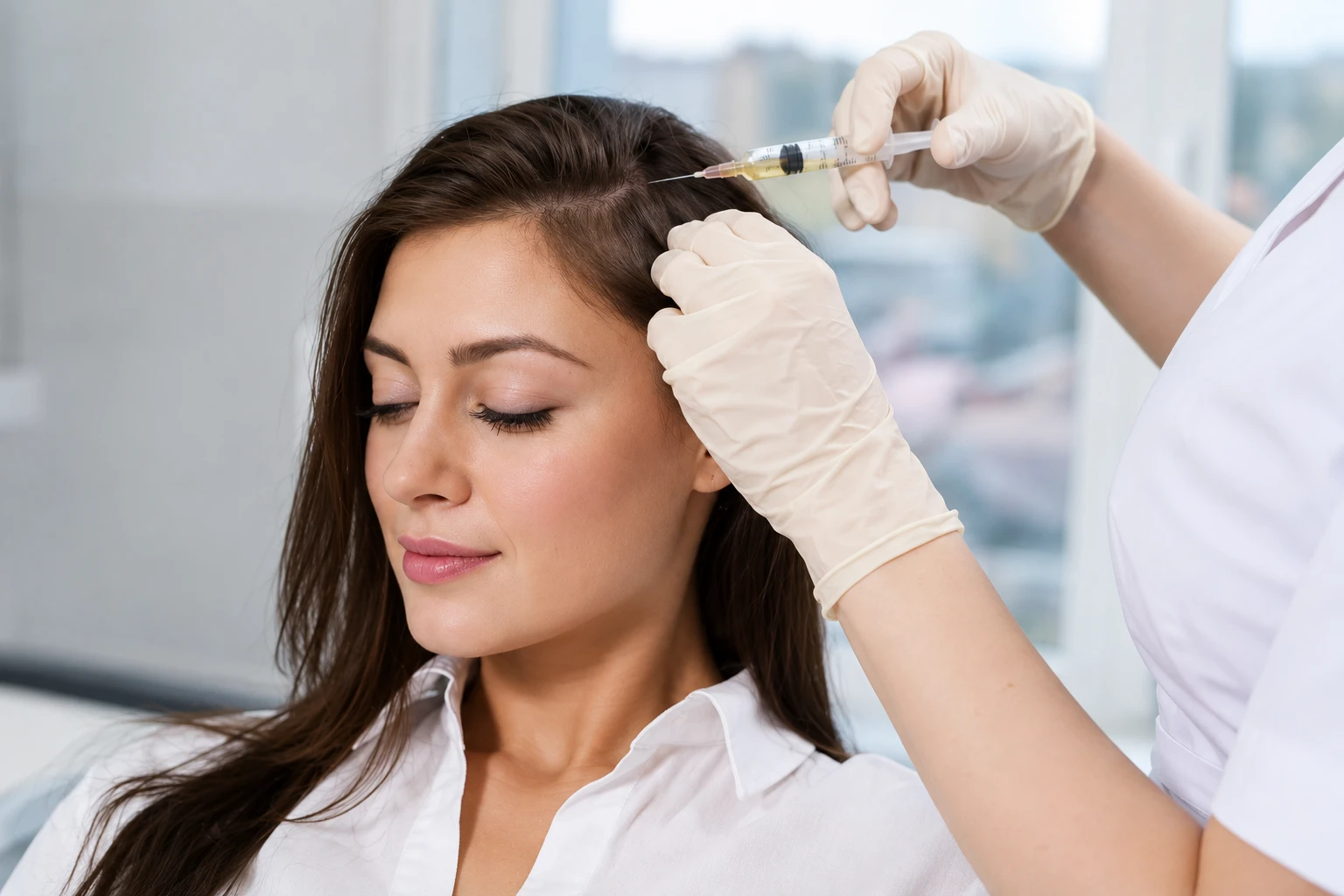
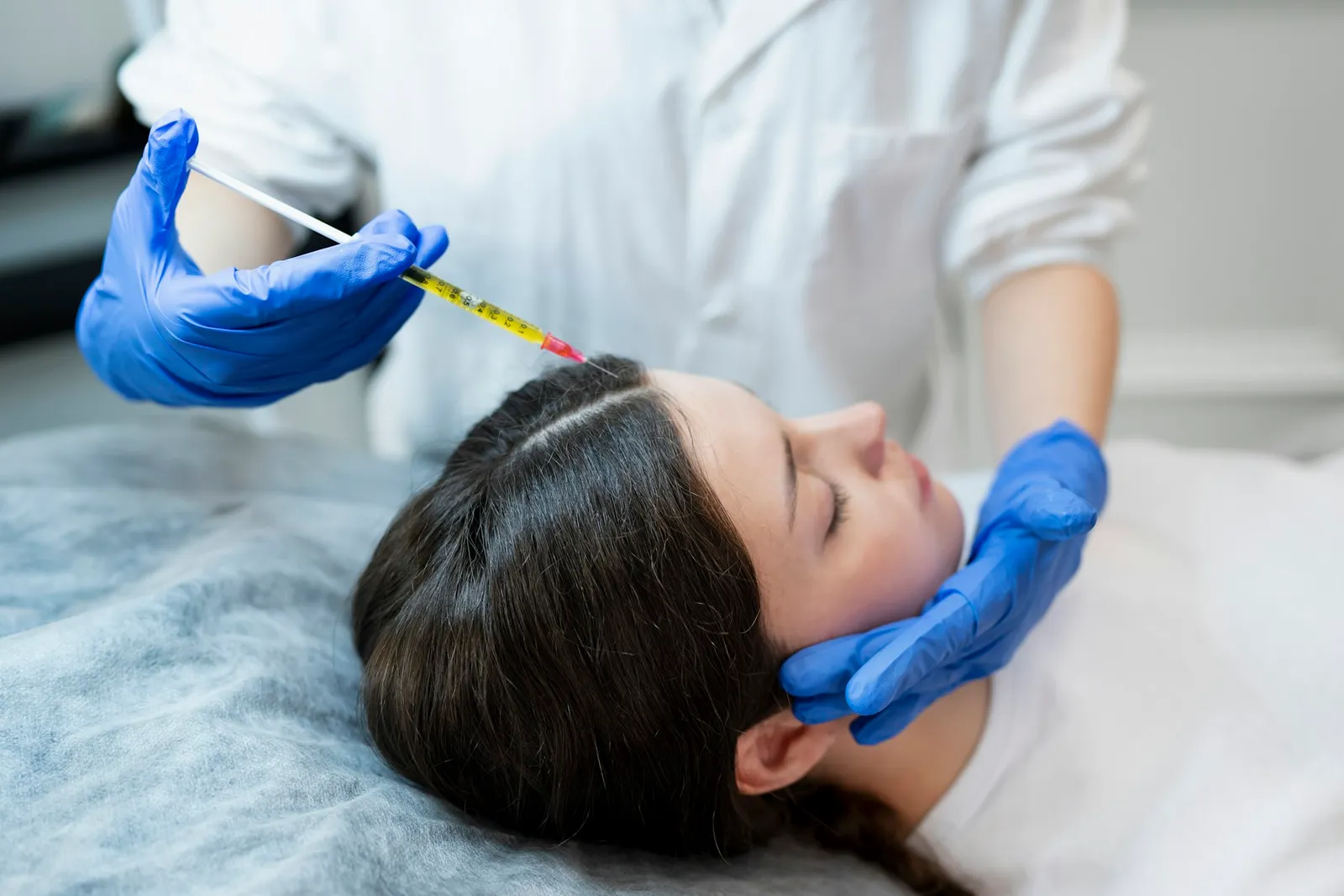
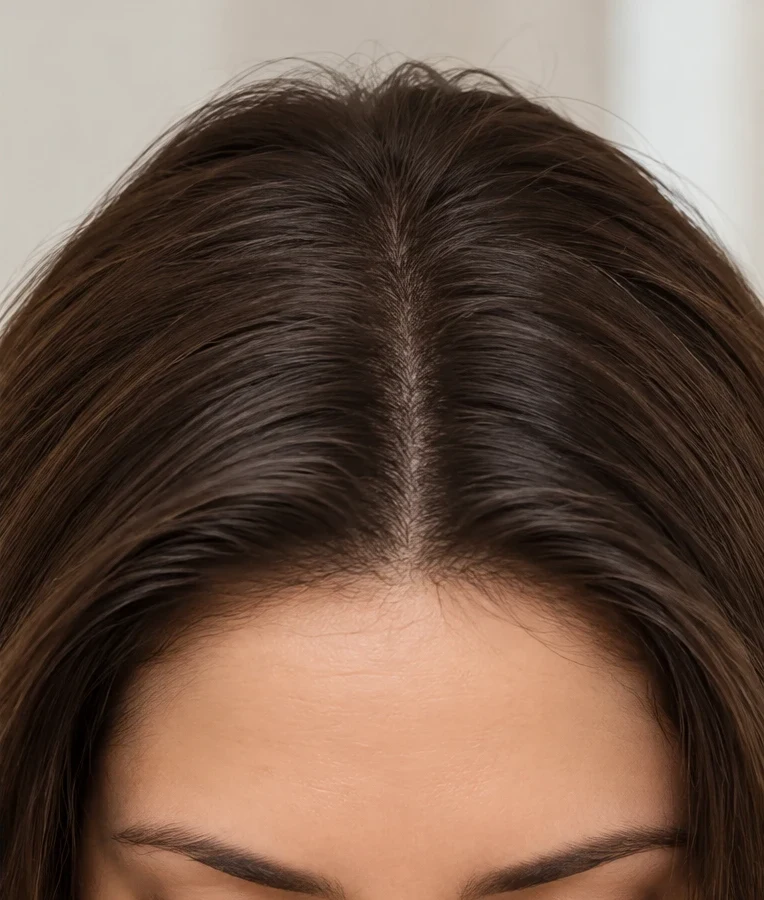
Non-surgical treatments such as PRP wake up thinning follicles, slow shedding and encourage thicker, healthier regrowth. Best for early to moderate thinning, with results building gradually over the months that follow.
01
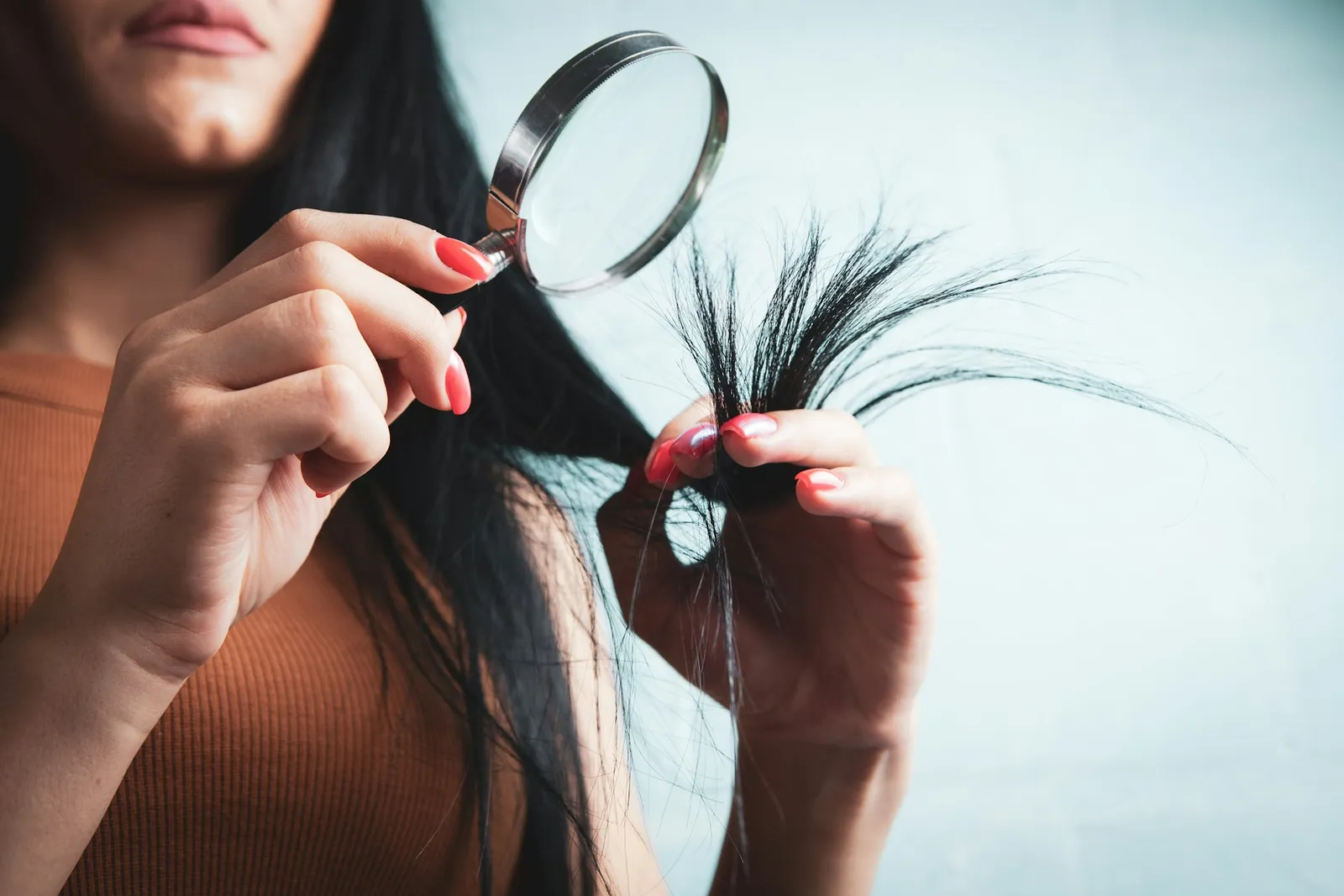
Your scalp assessment
We look closely at your scalp, your pattern of thinning and your history to confirm your follicles can still respond, then plan the right treatment for you.

See Results
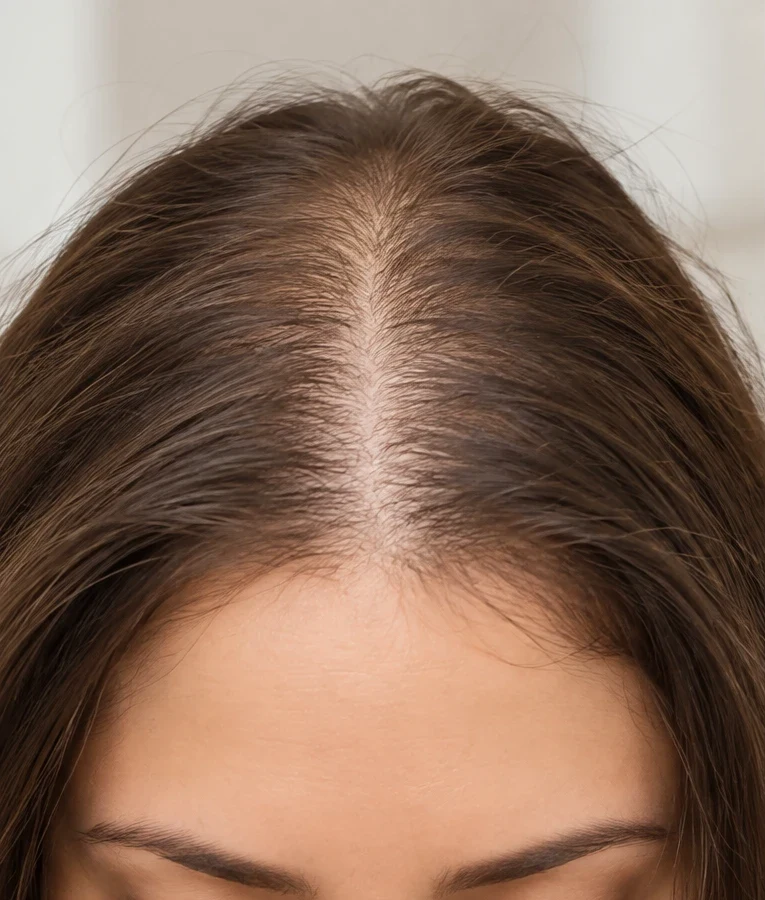
Clinical Outcomes: Hair Restoration
Documented Progression and Measurable Results
Why clients love our Hair Restoration?
We’re glad you asked. Let’s get into the good stuff.

Natural Hair Growth
Stimulate your own hair follicles, leading to natural regrowth that blends seamlessly with existing hair.

Long-Lasting Results
Professional hair restoration provides lasting improvements in hair thickness, density, and scalp coverage.

Improved Confidence
Fuller hair can enhance your overall appearance, helping you feel more confident and comfortable in your look.
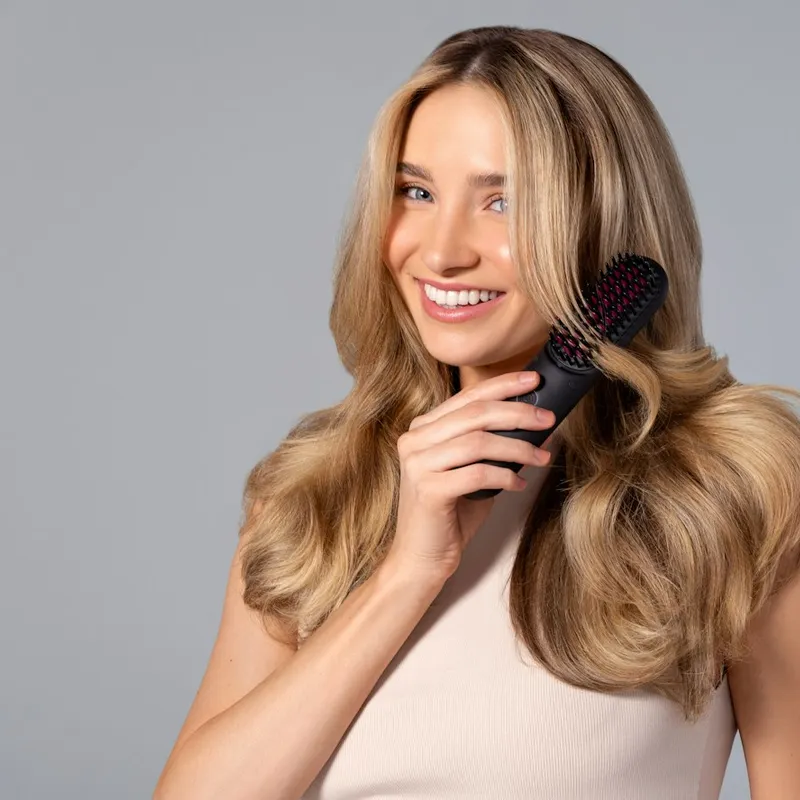
Low Maintenance
Once the restored hair starts growing, it requires minimal upkeep, allowing you to style and care for it just like natural hair.
Price Calculation
Okay, but what’s this actually going to cost me?
Let’s do the math. See what this treatment typically costs, and what it could look like split into monthly payments.
Typical price
$317 – $755
per session
Based on US national averages and Miami med-spa prices. AFL doesn’t list prices online: your exact price is set at your consultation.
1 session × the typical range. Drag to try a different amount.
Pay over time
8.3%
of the total each month
92%
less due today than paying in full
- No hard credit check
- 0% APR options for eligible patients
- Plans from 1 to 60 months
Checking your rate won't affect your credit score.
Final pricing is determined during the initial consultation based on the specific technology used and the volume of the treatment area. Monthly amounts are examples: the estimated total divided by the plan length, before any interest. 0% APR and other promotional rates depend on eligibility (Cherry APRs range from 0% to 35.99%); your actual plan and rate come from Cherry or PatientFi when you check. Typical prices are published market averages, not AFL’s prices.

Elevate Your Beauty
Be a part of the family.
Enjoy exclusive perks, priority booking, and monthly treatments tailored to your skin. Get discounts on premium services, skincare products, and complimentary assessments. Stay radiant year-round with VIP-only benefits!

Frequently asked questions
Hair loss can result from a variety of factors, including genetics (androgenetic alopecia), hormonal changes, stress, nutritional deficiencies, and aging, all of which can shrink hair follicles over time and shorten the growth cycle. Non-surgical hair restoration treatments work by improving blood flow to the scalp, delivering growth factors, or stimulating dormant follicles to reactivate hair growth, helping to slow further loss and encourage thicker, healthier regrowth in areas of thinning.
Common options include PRP (platelet-rich plasma) therapy, which uses your own blood's growth factors to stimulate follicles; microneedling combined with topical serums to enhance product absorption and stimulate the scalp; and low-level laser therapy (LLLT), which uses light energy to encourage cellular activity in hair follicles. Many providers also incorporate prescription topical or oral treatments as part of a comprehensive plan. The best approach depends on the cause and pattern of your hair loss, which your provider will assess during consultation.
Most non-surgical hair restoration treatments are well-tolerated, with sensations ranging from mild scratching (during microneedling) to slight pressure or tingling (during PRP injections), and topical numbing can be used for added comfort. Downtime is minimal across most treatments — some redness or tenderness on the scalp may occur for a day or two, but most clients return to normal activities right away, including washing and styling hair as usual within a short period.
Hair restoration is a gradual process, since hair growth cycles naturally take time — most clients begin noticing reduced shedding and early regrowth around 3–4 months, with more significant improvement in density visible around 6–12 months. Treatment plans often involve an initial series of sessions (commonly monthly for the first few months), followed by periodic maintenance sessions to sustain results, since hair restoration works best as an ongoing, ratherthan one-time, approach.
Non-surgical hair restoration is best suited for clients in the earlier to moderate stages of thinning who still have viable hair follicles capable of responding to stimulation. It's generally less effective for areas with long-term, complete hair loss where follicles are no longer active. A scalp consultation and assessment of your hair loss pattern and history will help determine whether non-surgical treatment is likely to be effective, or whether a referral for surgical options like hair transplantation may better suit your goals.