
Weight loss
Medically Supervised Weight Loss, Personalized to You
The Process
So here’s exactly what to expect
Doctor-supervised weight loss built around your health, using GLP-1 injectables such as semaglutide or tirzepatide alongside nutrition and lifestyle guidance, with regular check-ins for steady, sustainable progress.

01
Your health assessment
We review your medical history, current medications and goals, with any labs needed, to confirm the treatment is safe for you and set your starting dose.

See Results
Clinical Outcomes: Weight Loss
Documented Progression and Measurable Results


Why clients love our Weight Loss?
We’re glad you asked. Let’s get into the good stuff.

Personalized programs
Plans built around your goals and health profile.

Medical supervision
Monitored for safety and effectiveness throughout.

Sustainable results
Focused on long-term success, not quick fixes.

Support beyond the scale
Includes guidance on nutrition and lifestyle.
Price Calculation
Okay, but what’s this actually going to cost me?
Let’s do the math. See what this treatment typically costs, and what it could look like split into monthly payments.
Typical price
$299 – $450
per month
Based on published Miami med-spa prices. AFL doesn’t list prices online: your exact price is set at your consultation.
1 month × the typical range. Drag to try a different amount.
Pay over time
8.3%
of the total each month
92%
less due today than paying in full
- No hard credit check
- 0% APR options for eligible patients
- Plans from 1 to 60 months
Checking your rate won't affect your credit score.
Final pricing is determined during the initial consultation based on the specific technology used and the volume of the treatment area. Monthly amounts are examples: the estimated total divided by the plan length, before any interest. 0% APR and other promotional rates depend on eligibility (Cherry APRs range from 0% to 35.99%); your actual plan and rate come from Cherry or PatientFi when you check. Typical prices are published market averages, not AFL’s prices.

Elevate Your Beauty
Be a part of the family.
Enjoy exclusive perks, priority booking, and monthly treatments tailored to your skin. Get discounts on premium services, skincare products, and complimentary assessments. Stay radiant year-round with VIP-only benefits!

Frequently asked questions
Weight loss injectables, such as semaglutide and tirzepatide, belong to a class of medications known as GLP-1 receptor agonists (with tirzepatide also acting on GIP receptors). These medications work by mimicking hormones naturally produced in the gut that regulate appetite and blood sugar. They slow digestion, increase feelings of fullness, and reduce hunger signals to the brain, which helps reduce overall calorie intake and supports gradual, sustained weight loss over time.
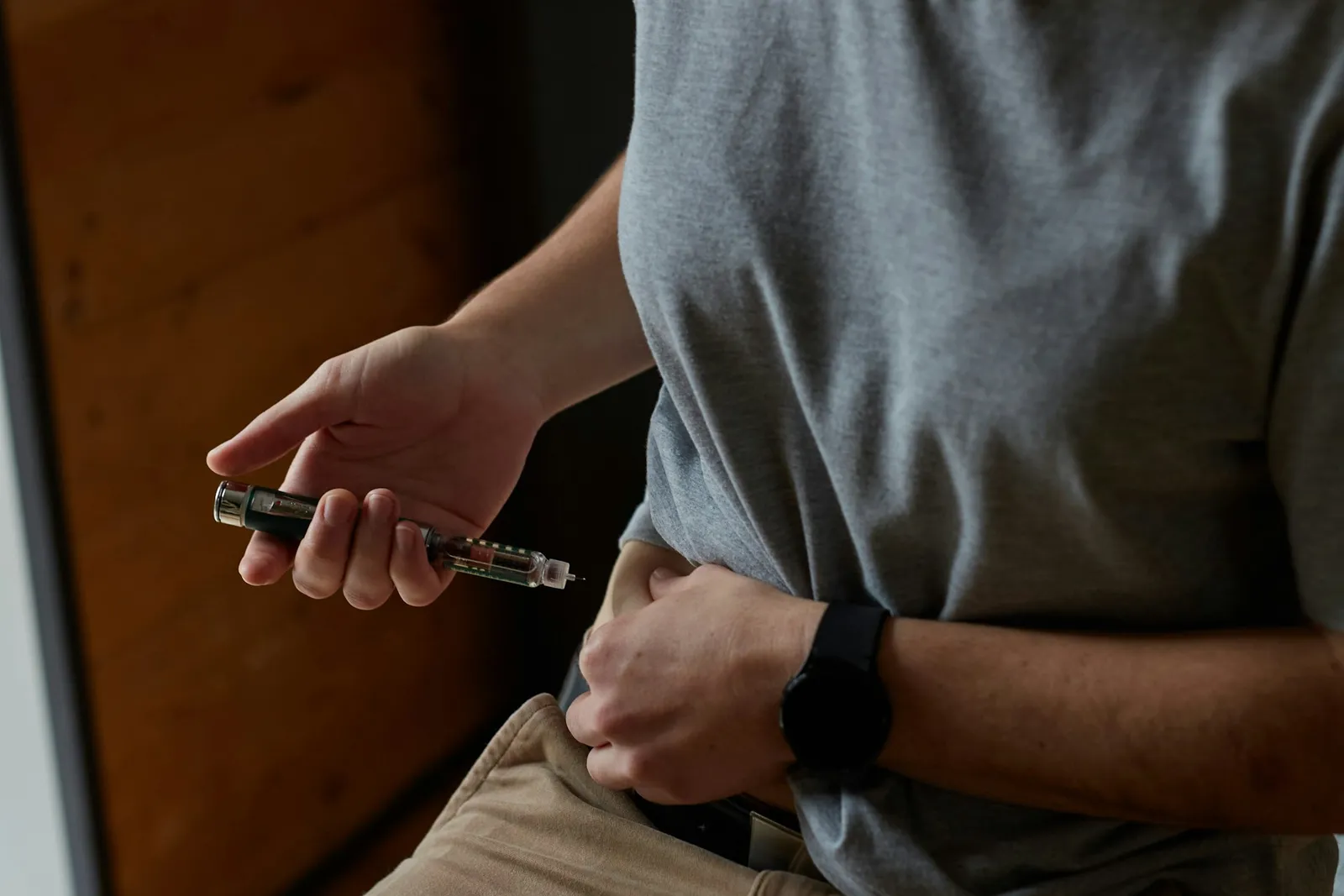
These medications are typically self-administered as a subcutaneous injection, often in the abdomen, thigh, or upper arm, using a thin needle similar to those used for insulin. Most protocols involve a once-weekly injection, and treatment usually begins at a low dose that is gradually increased over several weeks to help the body adjust and minimize side effects. Your provider will determine the appropriate starting dose and titration schedule based on your individual health profile and goals.
Weight loss with these injectables is gradual and cumulative rather than immediate, with most clients seeing meaningful results over several months of consistent use. Clinical studies have shown significant average weight loss over 6–12+ months when combined with lifestyle changes like improved nutrition and physical activity. Results vary from person to person based on factors like starting weight, dosage, adherence, and individual metabolism, so your provider will help set realistic expectations based on your specific situation.
The most common side effects include nausea, diarrhea, constipation, and mild digestive discomfort, particularly during the initial dose-adjustment period, though these often improve over time. These medications aren't suitable for everyone — a thorough medical history and consultation are essential, as certain health conditions and personal or family medical history can make someone a poor candidate. Your provider will conduct a full health assessment to determine whether this treatment is safe and appropriate for you.
While these medications support appetite regulation, they work best when paired with sustainable nutrition and exercise habits, and most providers include lifestyle guidance as part of the treatment plan. This combined approach also helps support long-term weight maintenance, since appetite and metabolic changes can shift once medication is discontinued. Many providers recommend a gradual tapering approach and continued healthy habits to help maintain results, and ongoing check-ins are typically part of a comprehensive treatment plan to monitor progress and adjust as needed.